
The Effect of Weather on Building Projects
Weather conditions can significantly affect construction work. For projects like concrete installation, weather plays a crucial role in determining the quality and durability of the finished product. Understanding how different weather elements impact the process is essential for achieving optimal results. This article explores these effects and offers strategies to ensure your concrete surfaces stand the test of time.
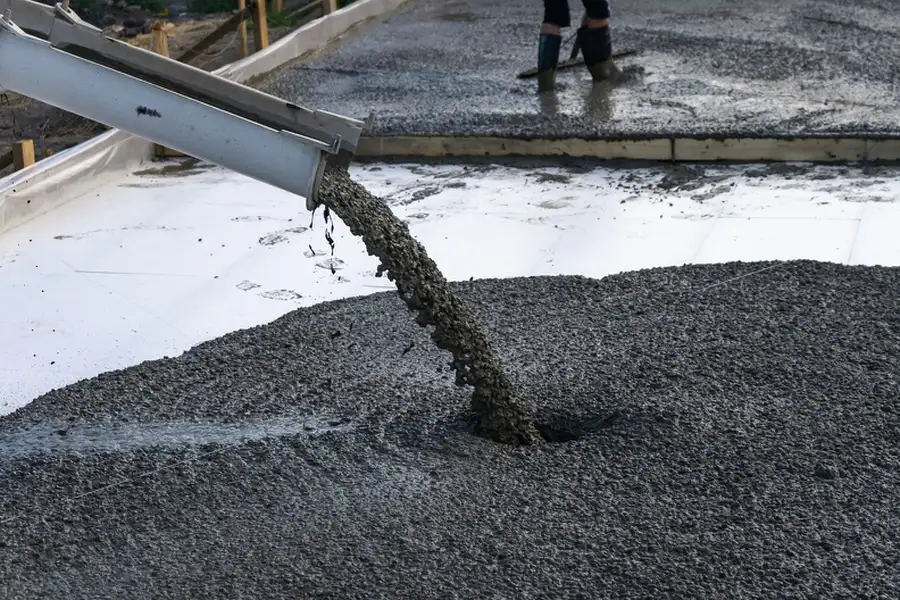
Temperature’s Role in Curing Concrete
Temperature greatly influences the curing process of concrete. When temperatures are too high, water in the mix can evaporate quickly, leading to insufficient hydration. This can result in weak and brittle concrete. On the flip side, low temperatures slow down the curing process, which might cause delays and potential structural issues. Contractors often use specific measures to maintain suitable temperatures during concrete installation.
Rain and Its Challenges
Rain is another critical factor that can disrupt concrete installation. Excessive water from rain can dilute the mixture, weakening its strength. It can also lead to uneven surfaces or even wash away unset concrete. Protective coverings and quick-drying solutions are commonly employed to combat these challenges during rainy weather.
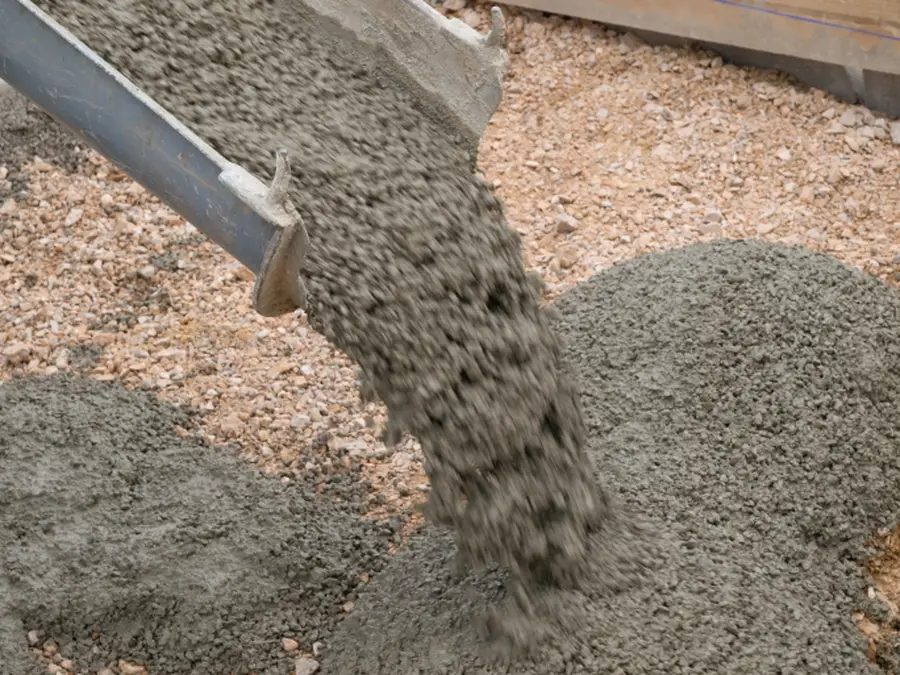
The Impact of Wind on Surface Finish
Wind affects the surface finish of newly poured concrete. Strong winds speed up evaporation, causing cracks and shrinkage. To counteract this, builders may use windbreaks or adjust their pouring techniques to protect the surface during windy conditions.
Humidity Levels’ Influence on Setting Time
Humidity levels also affect how fast concrete sets. High humidity slows down the drying process, while low humidity speeds it up. Both scenarios can be problematic if not managed correctly. Construction teams must monitor humidity levels closely and adapt their methods to ensure the best outcome for each project.
Best Practices for Managing Weather Effects
Construction experts follow several best practices to handle weather-related challenges efficiently:
- Monitor weather forecasts regularly to plan concrete pours.
- Use additives that modify setting times based on current weather conditions.
- Employ tents or shelters to shield concrete from adverse weather.
- Schedule pours at times when weather conditions are most favorable.
Common Problems Caused by Extreme Weather
Extreme weather events pose significant risks to concrete construction projects. These include rapid cracking, poor surface textures, and overall structural weakness. Such issues highlight the importance of proactive planning and adaptation to minimize negative impacts.
Solutions for Weather-Related Challenges
Tackling these challenges requires a strategic approach. Here are steps professionals take:
- Assess site-specific weather patterns before starting a project.
- Select appropriate materials suited for expected climate conditions.
- Implement protective measures like coverings or heating systems as needed.
- Ensure proper drainage systems are in place to manage excess water.
Cost Considerations in Weather Planning
While managing weather-related impacts might increase initial costs, it ensures long-term savings by preventing costly repairs or replacements. The investment leads to durable structures with fewer maintenance needs over time.
Your Go-To Partner for Quality Construction Services
Located in Eustis, FL, we understand the complexities involved in delivering top-quality construction services amidst varying weather conditions. Our team at CLS Concrete LLC is committed to providing reliable solutions tailored to your unique needs. Reach out today at (352) 645-7534 for expert guidance and support in ensuring your next project withstands nature’s challenges efficiently.