
Spot Signs of Wear and Tear in Concrete Structures
Concrete is a common material used in many construction projects due to its durability. However, over time, even the toughest concrete structures can show signs of damage. Recognizing these signs early can prevent bigger issues and costly repairs down the line. In this guide, you will learn how to spot damage in your concrete surfaces and understand when professional help might be necessary. Early identification of concrete problems not only saves money but also keeps structures safe and sound.
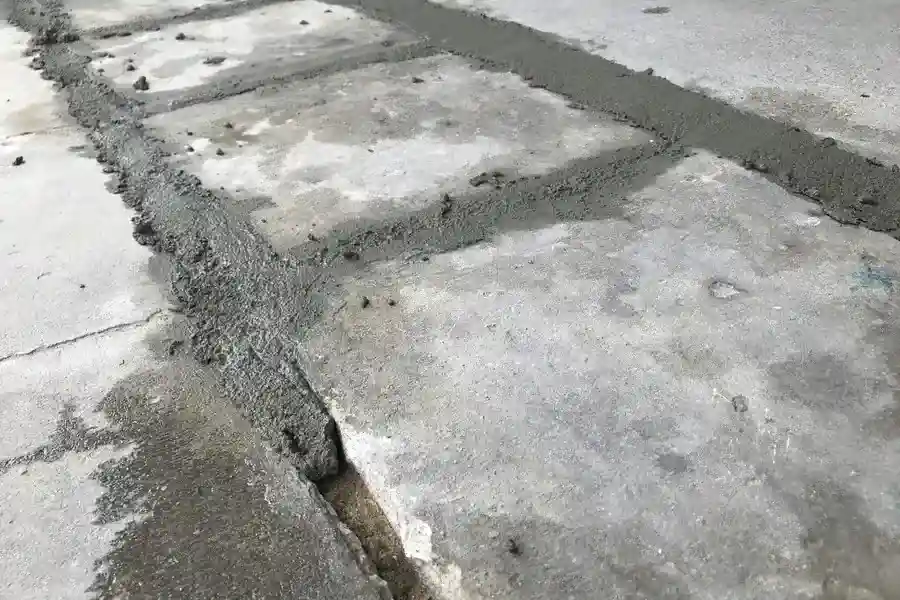
Why You Need to Inspect Your Concrete Regularly
Regular inspection of concrete structures is essential for maintaining their integrity. Inspections can reveal small cracks or discolorations that may indicate underlying problems. Addressing these issues early on prevents them from becoming major structural concerns. This proactive approach often reduces long-term maintenance costs and extends the lifespan of the structure.
Common Types of Concrete Damage
Concrete can suffer from various types of damage, including cracks, scaling, spalling, and discoloration. Each type of damage has specific characteristics and causes:
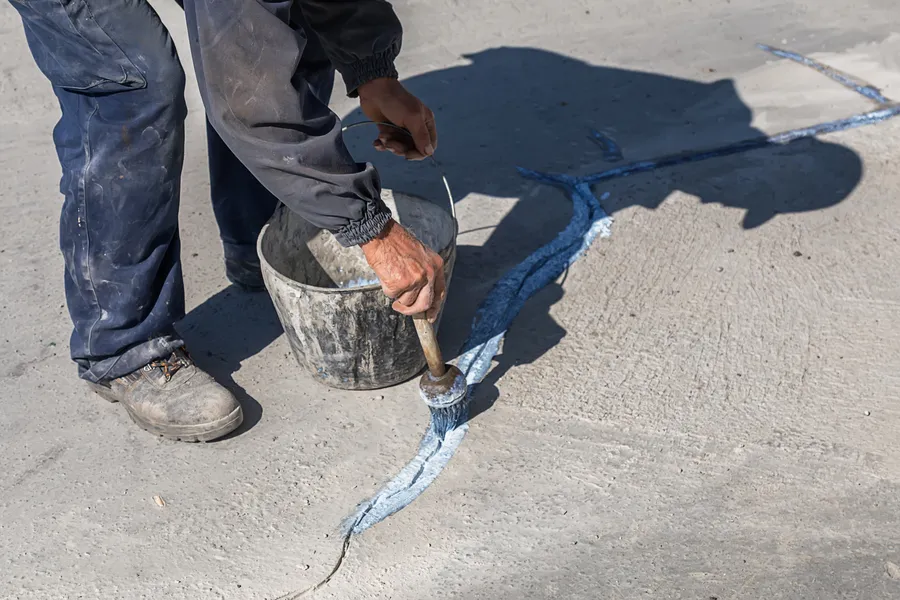
- Cracks: These are usually caused by shrinkage, temperature changes, or loads exceeding design specifications.
- Scaling: Scaling occurs when the concrete surface flakes off due to freeze-thaw cycles or deicing chemicals.
- Spalling: Spalling involves chunks of concrete breaking away, often due to corrosion of embedded steel reinforcements.
- Discoloration: Uneven color or stains can suggest moisture problems or chemical reactions within the concrete.
Indicators That Suggest a Need for Repair
Knowing what signs to look for helps you decide when to consider professional interventions like concrete repair. Cracks wider than 0.1 inches, widespread surface scaling, and visible rust stains from reinforcing bars are common indicators. If such damages are apparent, it’s wise to consult experts who specialize in concrete repair to assess the severity and recommend solutions.
The Role of Moisture in Concrete Deterioration
Moisture is one of the biggest threats to concrete integrity. When water infiltrates concrete, it can lead to issues such as freeze-thaw damage and corrosion of steel reinforcements. Over time, trapped moisture expands and contracts with temperature changes, leading to further deterioration. Keeping your concrete sealed and promptly repairing any cracks will minimize moisture intrusion.
How Weather Conditions Affect Concrete
Extreme weather conditions have a direct impact on the condition of your concrete surfaces. In colder climates, freeze-thaw cycles can cause expansion and contraction, which leads to cracking and scaling. Meanwhile, in hotter areas, high temperatures may accelerate drying and contribute to cracking due to shrinkage. Understanding local climate effects can help guide effective maintenance strategies.
Steps for Basic Concrete Maintenance
A simple maintenance routine can go a long way in preserving your concrete:
- Inspect surfaces regularly for signs of wear.
- Clean debris and dirt to prevent staining.
- Seal surfaces every few years to protect against moisture.
- Repair minor cracks immediately before they worsen.
- Ensure proper drainage around concrete structures to avoid water accumulation.
Your Guide to Long-Lasting Concrete Surfaces
If you notice any of the issues discussed or need expert advice for maintaining your concrete structures, reach out to us today. Our team at CLS Concrete LLC specializes in diagnosing and fixing all types of concrete problems. We serve clients throughout Eustis, FL, ensuring that their properties remain safe and well-maintained. For more information or to schedule an inspection, contact us at (352) 645-7534. By prioritizing regular check-ups and timely repairs, you’ll extend the life of your concrete surfaces efficiently.