
The Importance of Correct Curing Techniques for Long-Lasting Results
Creating a strong concrete surface requires more than just pouring and smoothing. A crucial step in the process is curing, which ensures the concrete reaches its full strength and durability. Proper curing involves maintaining adequate moisture, temperature, and time. This guide will explore essential techniques and best practices for achieving a durable concrete surface.
Why Proper Curing Matters
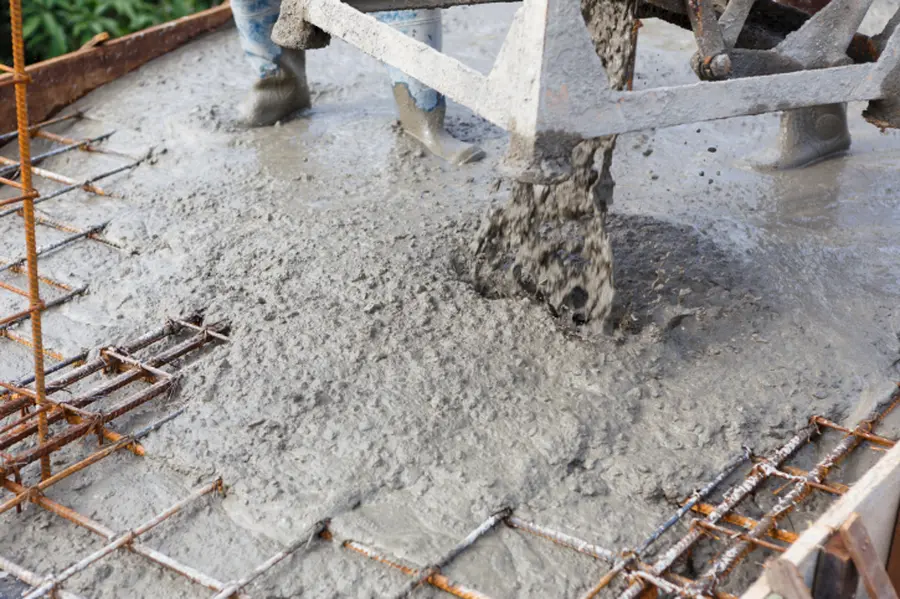
Curing is vital because it impacts the final strength and longevity of concrete. Without proper curing, concrete can develop cracks, reduced strength, and other issues over time. By ensuring the correct curing process, you achieve a robust and long-lasting surface.
Understanding Moisture’s Role
Moisture retention is key during curing. When concrete dries too quickly, it leads to shrinkage and cracking. Methods like water ponding, wet coverings, or using curing compounds help maintain moisture levels. For optimal results, ensure that your methods are consistent with the environmental conditions present during the curing period.
The Impact of Temperature
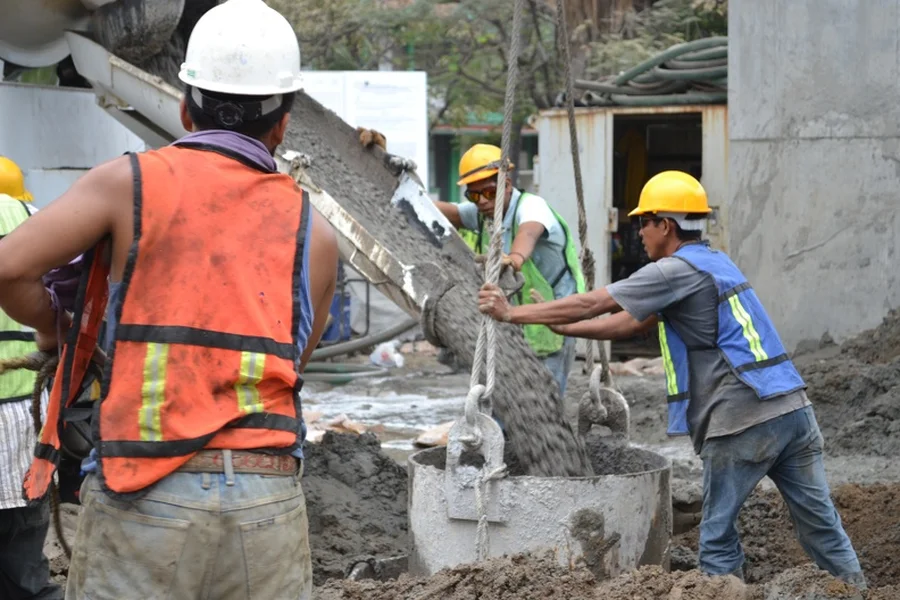
Temperature affects how fast or slow concrete cures. Ideally, curing should occur at moderate temperatures between 50°F and 85°F. If temperatures fall outside this range, adjustments such as insulation or heaters may be necessary to maintain ideal conditions. These steps are often critical during concrete installation periods in extreme weather.
Timing Is Everything
Curing isn’t instantaneous; it requires time to achieve maximum strength. The initial curing phase typically lasts three to seven days. During this time, it’s essential to maintain the right conditions. Delaying activities like painting or heavy traffic on the surface ensures there’s no premature stress on the new concrete. Patience is crucial to ensure quality results.
Environmental Considerations
The environment has a significant impact on curing processes. Factors such as wind speed and humidity can affect moisture loss. It’s important to monitor these factors closely and adjust your methods accordingly. For instance, in dry climates, additional water or protective coverings might be required to prevent rapid drying.
Best Practices for Effective Curing
- Monitor environmental conditions regularly
- Use appropriate moisture-retaining methods
- Adjust based on temperature extremes
- Be patient with timing for loading or finishing work
- Consult professionals if unsure about specific conditions
Common Mistakes to Avoid
Avoiding mistakes during curing can save both time and resources. One common error is neglecting to maintain moisture consistently across the surface. Another issue arises from not accounting for environmental changes, leading to uneven curing. Overlooking these aspects during the initial stages of concrete installation could compromise the entire project’s integrity.
The Financial Benefits of Proper Curing
Investing time and effort into proper curing saves money in the long run by reducing repair costs and extending the lifespan of concrete surfaces. A well-cured surface is less likely to require frequent maintenance, offering better returns on investment over time.
Achieving Durability With Expert Guidance
Ensuring a durable concrete surface involves understanding and applying these curing principles effectively. Reach out to CLS Concrete LLC for professional advice on your next project. Based in Eustis, FL, we specialize in providing expert solutions tailored to your needs. Call us at (352) 645-7534 for comprehensive guidance and support in achieving durable concrete installations.