
The Role of Soil Characteristics in Ensuring Robust Foundations
When it comes to construction projects, soil quality plays a crucial role. The strength and stability of a concrete foundation depend heavily on the type and condition of the soil beneath it. Poor soil can lead to major issues, such as cracks or even collapse. Understanding the relationship between soil quality and foundation strength is vital for anyone involved in concrete work. This knowledge can help prevent costly repairs and ensure long-lasting results.
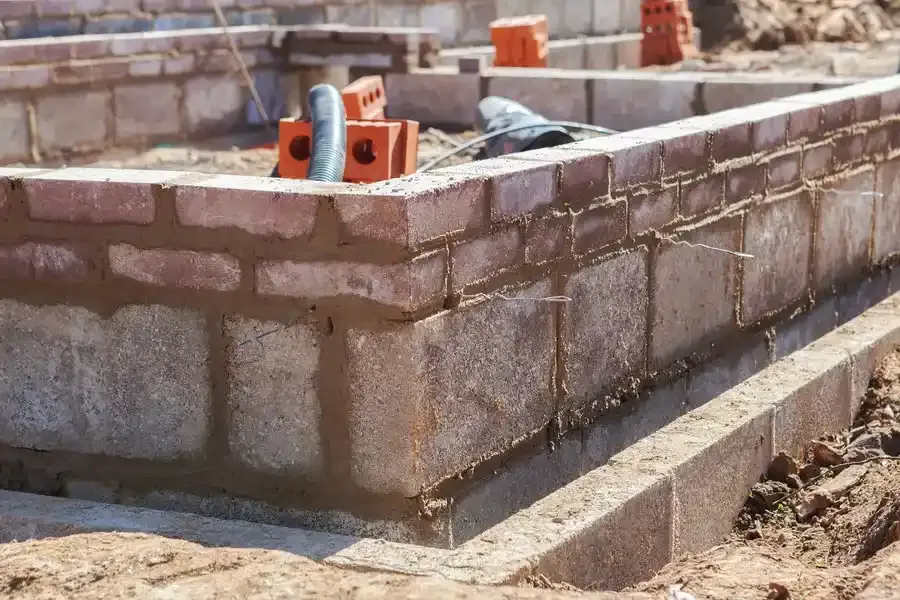
Types of Soil and Their Impact on Construction
Different types of soil have varied impacts on construction projects. For instance, clay soils expand when wet and contract when dry, which can put stress on foundations. Sandy soils, while less prone to expansion and contraction, may not offer adequate support due to their loose nature. Therefore, understanding the specific characteristics of the soil type at a construction site is essential for successful foundation construction.
The Importance of Soil Testing
Before starting any project, it’s important to conduct thorough soil testing. This process involves analyzing the soil’s composition, moisture content, and density. These factors influence how the ground will respond under the weight of a building. By performing these tests, professionals can decide on the best approach for foundation construction, ensuring that the structure remains stable over time.
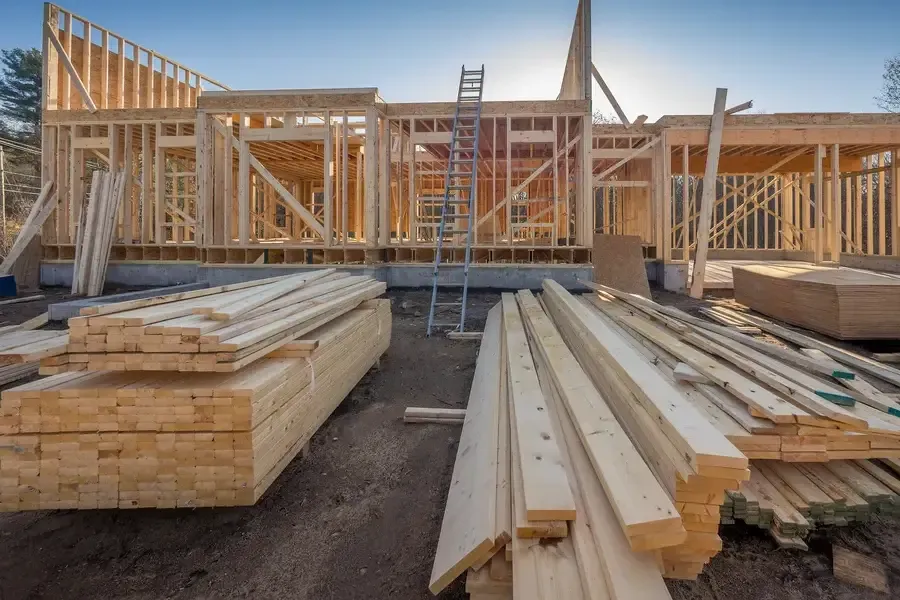
How Soil Compaction Affects Foundation Stability
Soil compaction is another critical factor in determining foundation strength. Compacting the soil reduces air spaces, increasing its density and load-bearing capacity. Proper compaction helps distribute the weight of a building evenly across its foundation. Without this step, there could be uneven settling, leading to structural damage or failure.
Benefits of Using High-Quality Fill Material
In many cases, builders use fill material to improve soil conditions at a site. High-quality fill material can enhance drainage, reduce movement, and increase overall soil strength. It provides additional support where natural soils are lacking. Using the right fill ensures that a building’s foundation remains strong and less susceptible to environmental changes.
Challenges Faced Due to Poor Soil Conditions
Poor soil conditions present several challenges during construction. These include increased costs due to extra reinforcement requirements or complete redesigns of foundational plans. Additionally, structures built on inadequate soil may face long-term issues like cracking walls or doors that won’t close properly. Addressing these problems early with expert guidance can save time and money.
- Conduct comprehensive soil assessments before beginning projects
- Utilize proper compaction techniques to enhance soil properties
- Select appropriate fill materials to address deficiencies
Expert Solutions for Enhancing Foundation Strength
There are several ways to mitigate risks associated with poor soil conditions. One solution is using specialized equipment for precise soil compaction. Another method involves incorporating geo-synthetic materials that strengthen weak soils. Working with experienced engineers who understand these techniques can make all the difference in achieving a stable foundation.
Cost Considerations for Construction Projects
The cost of addressing soil quality issues varies depending on the site’s conditions and required interventions. However, investing in quality solutions upfront often leads to savings in reduced repair costs down the line. When planning a budget, consider both immediate expenses and potential future savings from having a durable foundation.
Your Reliable Partner for Strong Foundations
If you seek dependable solutions for your next project, consider reaching out to us at (352) 645-7534. Our company, CLS Concrete LLC, offers expert services tailored to meet your needs. Based in Eustis, FL, we prioritize quality and durability in every project we undertake. Trust our team to deliver the solid foundation your structure deserves.